
Effluent treatment plants (ETP): how wastewater is cleaned
The stages of an ETP, from screening to sludge, and how they differ by industry.

Factories produce wastewater that cannot be released as it is. It may be acidic or alkaline, loaded with organic matter, oil, solids, colour or metals. An effluent treatment plant (ETP) cleans it until it meets the discharge limits, or is good enough to reuse.
Start with the effluent
No two industries produce the same wastewater, so every ETP is designed from the effluent itself. The key measurements are flow, pH, COD, BOD, suspended solids, oil and grease, colour, and any metals or special pollutants. Flow is rarely steady, which is why the first stages are about smoothing it out.
The treatment stages
- Preliminary: screen, oil trap, equalise
- Primary: neutralise, coagulate, settle
- Secondary: biological treatment
- Tertiary: filter, disinfect, polish
| Stage | What happens | Typical equipment |
|---|---|---|
| Preliminary | Removes large solids, oil and grease, and evens out flow and strength | Bar screen, grit chamber, oil and grease trap, equalisation tank |
| Primary | Adjusts pH and removes suspended solids and some of the pollution load | Neutralisation tank, coagulation and flocculation tanks, clarifier or flotation unit |
| Secondary | Microbes consume the dissolved organic pollution | Aeration tank (activated sludge), MBBR, SBR, or anaerobic reactor |
| Tertiary | Final polish for discharge or reuse | Sand and carbon filters, disinfection, ultrafiltration, RO |
Choosing the biological process
Aerobic (with air)
- Activated sludge, MBBR and SBR types
- Suits moderate strength wastewater
- Needs blowers and power for aeration
Anaerobic (without air)
- Used first for very strong wastewater such as brewery, distillery and sugar effluent
- Uses little power and makes biogas
- Usually followed by an aerobic stage to finish the job
Sludge: the part that is easy to forget
Every stage that removes pollution produces sludge. It is thickened, then dewatered in a filter press, centrifuge or drying bed, and disposed of in line with the rules. A plant that cannot handle its sludge is not working, however good the water leaving it looks.
What changes by industry
- Breweries, sugar and food: very high organic load, so anaerobic treatment is common
- Textile: colour and variable pH, needing coagulation and sometimes advanced oxidation
- Steel and engineering: oil, suspended solids and metals
- Pharmaceutical: complex organics and tight limits
- Hotels and hospitals: mostly sewage-like, treated in an STP, with extra care for disinfection
From discharge to reuse
Treated water that meets the limits can be released. With a tertiary stage it can instead be reused for gardening, cooling, flushing and washing, which cuts freshwater use and the cost of discharge. See our guide on zero liquid discharge.
Related products
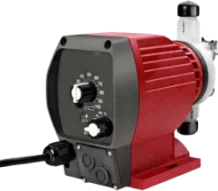 Dosing pumpPumps, UV and filters
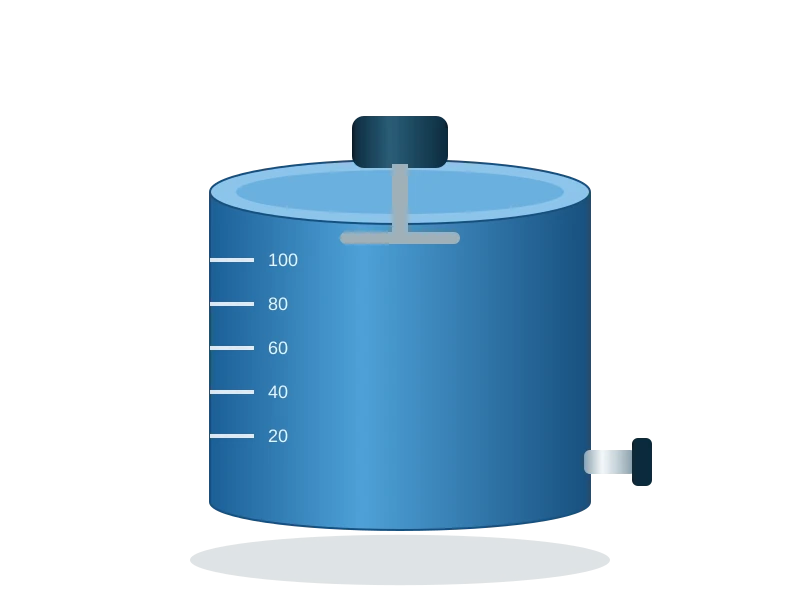 Chemical dosing tankVessels and housings
 Flow meterInstruments and test kits
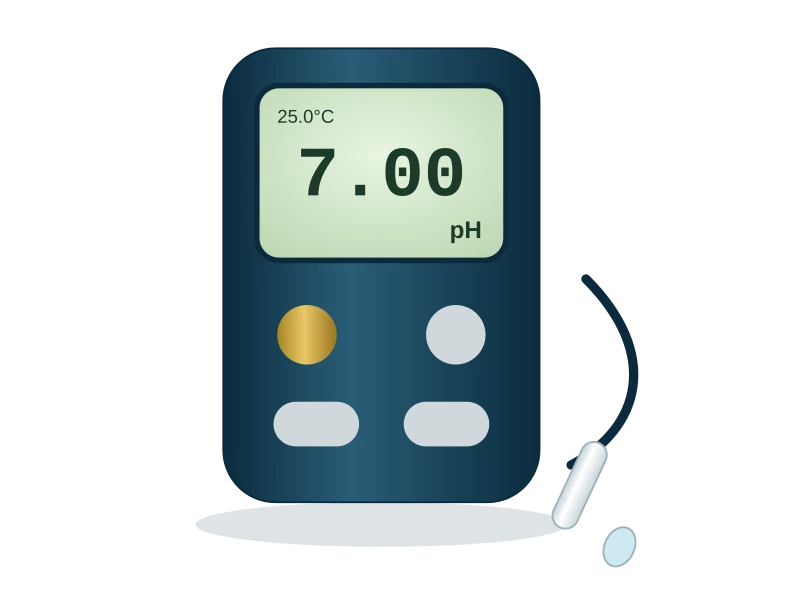 pH meterInstruments and test kits
 Bag filterPumps, UV and filters